By Cole Seargeant, Rising Force Security
Fire watch services are a core part of keeping buildings safe and meeting Florida’s fire-code obligations. They step in when automatic systems are down or when conditions raise immediate fire risk. This guide explains why fire watch matters, what Florida’s rules require, where fire watch is commonly used, and how guards are trained and certified. With that context, property owners can make informed choices that reduce risk and stay compliant.
Why Fire Watch Services Matter
Fire watch teams help protect people and property while maintaining regulatory compliance. Trained officers provide continuous observation, identify hazards early, and respond quickly to potential incidents. Their presence reduces liability, supports safer operations, and reassures tenants, visitors, and stakeholders that fire risks are being actively managed.
Further emphasizing the financial implications, research shows that strong fire safety compliance programs can produce measurable cost savings by lowering fire-related losses and focusing resources on prevention.
Fire Safety Compliance & Economic Savings in Florida
The study finds that investing in a robust fire safety compliance program can significantly lower the economic burden of fire incidents. It quantifies potential savings, helps prioritize resource allocation, and supports investments in prevention and mitigation. Data show states such as California, Texas, and Florida report the highest incident counts and losses, highlighting the need for effective compliance strategies.
Quantifying the Risk and Economic Savings to The United States from a Comprehensive Fire Safety Compliance Program, J Wandabwa
Florida Regulatory Requirements
Florida’s fire code sets clear triggers for when a fire watch is required and what it must include. Typical triggers include inoperative alarms or sprinkler systems and any condition that materially increases fire risk on a property. Noncompliance can lead to fines and increased liability, so property owners must understand and follow the applicable procedures.
This gap highlights a broader policy challenge: translating varied local practices into consistent, enforceable standards that improve public safety statewide.
Closing Fire Safety Policy Gaps in Florida
This analysis outlines a framework for moving from patchwork governance to a more consistent national approach, using strategic litigation and model-code advocacy to close policy gaps and raise public safety standards. Examples from Florida and other states show different levels of success, underscoring the value of standardized, accountable regulation.
From patch work to protection: Closing fire safety policy gaps across the United States through strategic litigation and model code Advocacy, J Wandabwa, 2025
What Fire Watch Officers Provide
- Continuous Patrol Monitoring: Officers conduct scheduled patrols and stationary watches to detect hazards and ensure safety procedures are followed.
- Hazard Detection: Trained personnel recognize early warning signs—smoke, unusual heat, or odors—and act immediately to escalate or mitigate risks.
- Detailed Log Documentation: Guards keep precise logs of observations and actions, which are essential for inspections, incident reviews, and regulatory proof of compliance.
Best Practices for Maintaining Compliance
Property owners should adopt a proactive approach to fire watch compliance:
- Engage Licensed Professionals: Use certified fire watch providers to ensure personnel meet state and local standards.
- Maintain Structured Monitoring Logs: Keep clear, time-stamped records of patrols and incidents to demonstrate compliance under inspection.
- Regular Training and Drills: Schedule ongoing training and realistic drills so guards are prepared and procedures are current.
Free security assessments can help identify weak points in your fire-safety planning and suggest practical improvements.
Request a free security assessment from Rising Force Security to identify weak points in your fire-safety planning and build a practical compliance plan.
Properties That Often Require Fire Watch
Certain property types carry higher exposure and commonly use fire watch services:
- Commercial Office Buildings: Complex floor plans and high occupancy levels increase the need for vigilant monitoring.
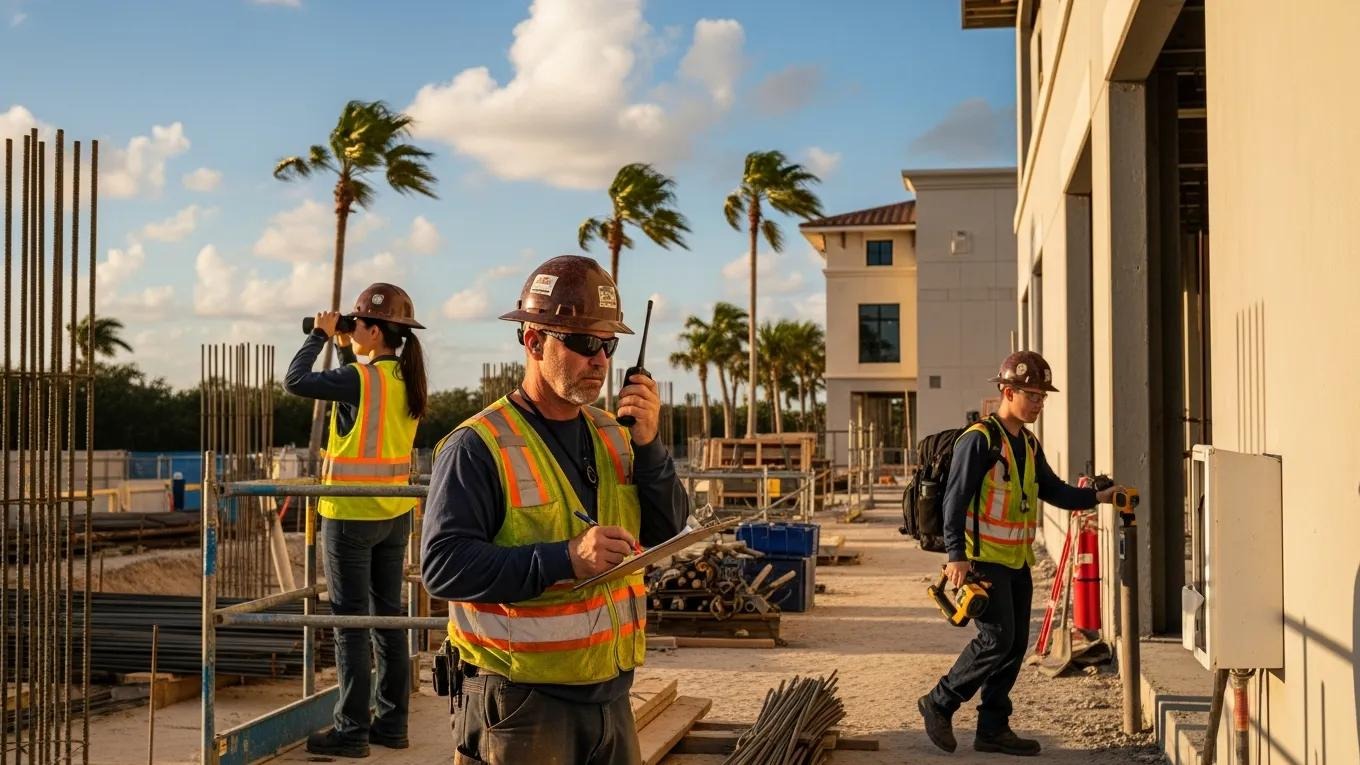
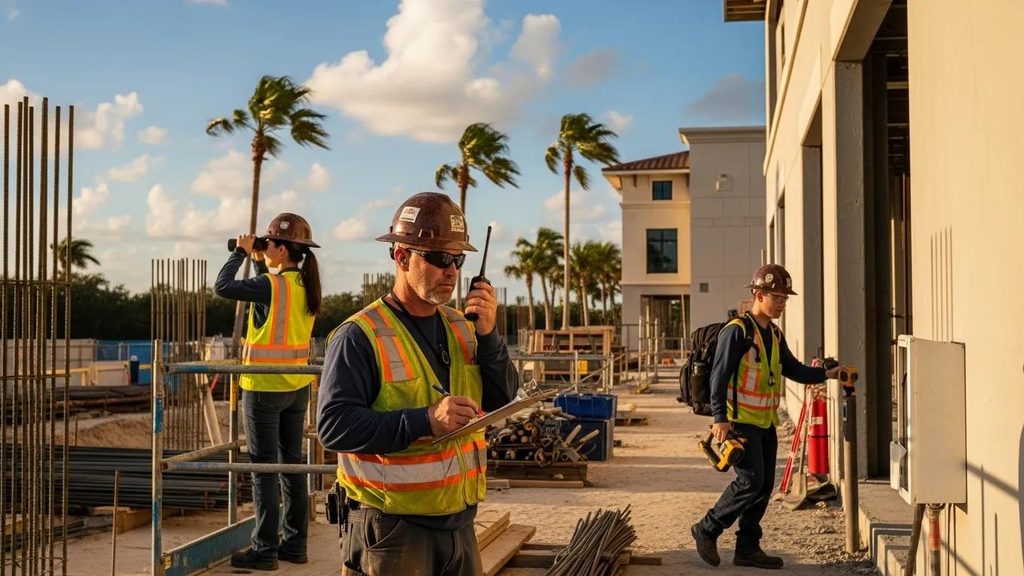
- Construction Sites: Active construction introduces flammable materials and hot-work activities that raise short-term fire risk.
- Retail Centers: High pedestrian traffic and mixed tenancy make early detection and rapid response essential.
What Fire Watch Services Are — and Why Florida Needs Them
Fire watch services place trained personnel on-site to monitor for hazards, provide immediate response, and document conditions when automatic systems are impaired. In Florida—where local codes, climate, and building use create varying risk profiles—these services help bridge gaps in protection until systems are restored.
When Is a Fire Watch Required Under Florida Fire Code Regulations?
Florida’s code requires a fire watch in clearly defined situations, including:
- Non-operational Fire Alarm Systems: When alarm systems are disabled, a fire watch is required to provide continuous oversight.
- Inoperative Sprinkler Systems: If sprinklers are out of service, dedicated personnel must monitor for fire threats.
- Presence of Hazardous Conditions: Elevated risks—such as storage of flammable materials or active hot work—often trigger temporary fire watch obligations.
How Florida Compliance Rules Affect Service Requirements
Compliance rules shape provider obligations, covering guard qualifications, documentation standards, and required response protocols. Service providers must meet these expectations to avoid penalties and to ensure clients receive reliable, code-compliant coverage.
Key Florida Fire Watch Standards and NFPA Guidelines
Important compliance checkpoints include:
- When Fire Watch Is Required: Know the specific system failures and site conditions that trigger a watch.
- Role of Fire Watch Guards: Guards should be trained to monitor, detect, communicate, and report per code requirements.
- Documentation and Reporting: Accurate logs and timely reporting are essential for regulatory review and incident follow-up.
Recent Regulatory Updates Affecting Fire Watch Services in Florida
Recent code updates emphasize quicker deployment, clearer documentation, and defined minimum competencies for personnel. Staying current with these changes helps property owners avoid violations and ensures fire watch coverage meets modern expectations.
Temporary Fire Watch Requirements and Procedures in Florida
Temporary fire watch procedures are designed to manage immediate risks while systems are offline:
- Regulations: State and local rules specify when temporary watches are required and what coverage they must provide.
- Implementation Steps: Follow a defined sequence—assess risk, notify authorities if needed, and deploy qualified personnel.
- Duration of Service: Fire watch remains in place until automatic systems are repaired and verified as operational.
Step-by-Step Temporary Fire Watch Protocols for Florida Properties
Implementing temporary fire watch typically follows three practical steps:
- Call for Service: Contact a licensed fire watch provider to arrange immediate coverage.
- Review Needs: Assess property layout, occupancy, and specific hazards to set watch frequency and staffing levels.
- Deploy Officers: Trained guards are posted and begin documented patrols and monitoring per agreed procedures.
Roles and Responsibilities of Temporary Fire Watch Guards
Temporary guards carry essential duties that support safety and compliance:
- Continuous Patrol Monitoring: Regular checks and presence to deter and detect fire hazards.
- Hazard Detection: Identify early warning signs and take immediate, preplanned actions.
- Detailed Log Documentation: Record times, observations, and actions in a clear, auditable log.
How Fire Watch Guards Are Trained and Certified to Meet Florida Standards
Guards complete specific training and credentialing to meet state expectations:
- Licensing Requirements: Personnel must hold the required licenses and certifications to perform fire watch duties.
- Training Programs: Comprehensive courses cover fire prevention, hazard recognition, emergency procedures, and reporting.
- Ongoing Training: Regular refresher training keeps guards aligned with code changes and best practices.
Fire Watch Guard Training Programs and Certification Criteria in Florida
Training programs emphasize practical skills and documented verification:
- Background Checks: Thorough vetting ensures guards are suitable for safety-sensitive roles.
- Ongoing Training: Continued instruction keeps competencies current and effective.
- Documentation: Maintain certificates and training records to demonstrate compliance during inspections.
Ensuring Guard Competency for Effective Fire Watch Duties
To maintain high standards, owners and providers should set clear requirements and evaluate performance regularly:
- Training Requirements: Define mandatory training topics and minimum hours for personnel.
- Certification Process: Require recognized certifications and proof of continuing education.
- Evaluation Methods: Use scheduled reviews, spot checks, and performance metrics to confirm readiness.
To validate competency, incorporate realistic, job-related simulations that mirror actual tasks and conditions guards will face on the job.
Fire Personnel Competency Assessment & Training
Assessment programs should include a sufficient number of job-related simulations to observe candidate behavior across required competencies. Simulations that reflect real tasks improve the accuracy of selection and identify targeted training needs, ensuring assessments predict on-the-job performance.
The assessment center handbook for police and fire personnel, 2018
Pricing Structures and How to Request a Fire Watch Quote
Fire watch pricing depends on coverage level, duration, and any special site hazards. To get accurate quotes, contact providers with property details, required coverage hours, and any site-specific risks. Clear, itemized pricing helps you compare options and budget for compliant coverage.
| Service Type | Price | Duration |
|---|---|---|
| Standard Fire Watch | $50/hour | Minimum 4 hours |
| Emergency Fire Watch | $75/hour | Minimum 2 hours |
| Extended Fire Watch | $60/hour | 24-hour coverage |
The table shows common pricing tiers to help you choose the right level of coverage based on urgency and site needs.
How Surveillance Systems Improve Fire Watch Effectiveness
Integrating video and sensors with fire watch teams strengthens detection and documentation. Technology can extend visual coverage, provide remote verification, and create time-stamped evidence that complements guard observations—improving both safety and compliance.
Benefits of Combining Surveillance Technology with Fire Watch Guards
When technology and personnel work together, you get:
- Enhanced Monitoring: Cameras and sensors extend visibility beyond patrol routes for fuller coverage.
- Cost-Effectiveness: Smart integration can reduce staffing needs while maintaining or improving safety.
- Proactive Hazard Detection: Automated alerts and analytics surface abnormalities before they escalate.
Examples of Surveillance Systems That Support Fire Watch Compliance
Common systems that add value to fire watch programs include:
- CCTV Systems: Wide-area coverage for continuous visual oversight.
- IP Cameras: High-resolution feeds and remote access for real-time monitoring.
- Smart Surveillance Systems: Analytics-driven tools that flag unusual activity and push alerts to personnel.
These technologies provide additional layers of detection and create a more robust audit trail when combined with on-site guards.
Conclusion
Fire watch services are a practical, code-driven solution to protect people and property when permanent systems are impaired. Understanding Florida’s requirements, following best practices, and working with licensed, well-trained providers reduces risk and ensures compliance. For tailored advice and service options that fit your property, contact us today to discuss a plan that keeps your site safe and code-compliant.
Contact Rising Force Security today to discuss a fire watch plan that keeps your site safe and code-compliant.