Fire watch becomes necessary when a building’s fire protection systems can’t do their job. Here are the situations that most commonly trigger it — though your local fire marshal makes the final determination.
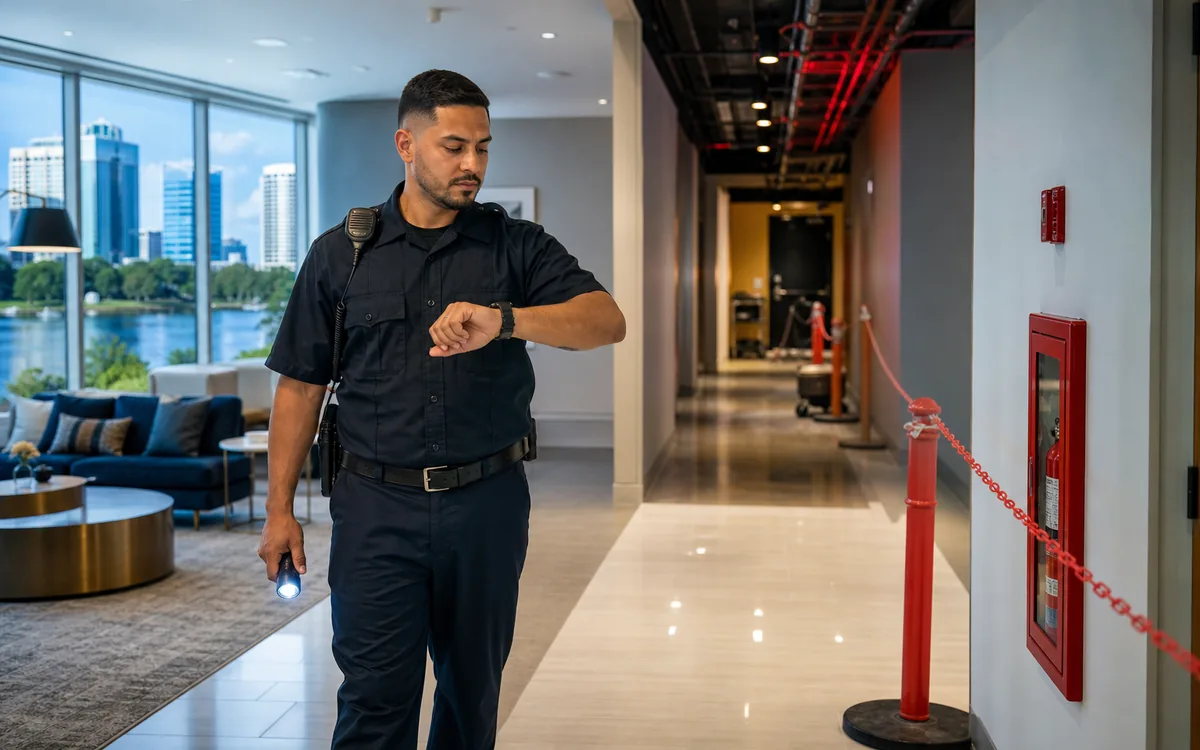
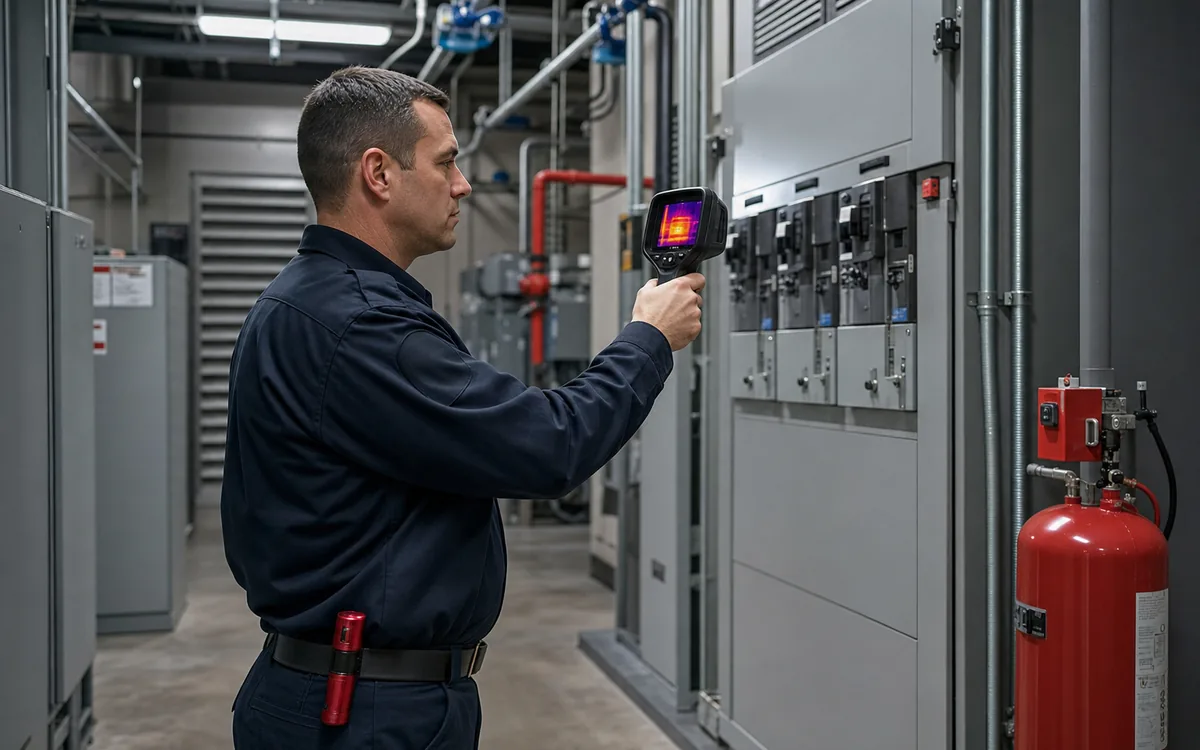
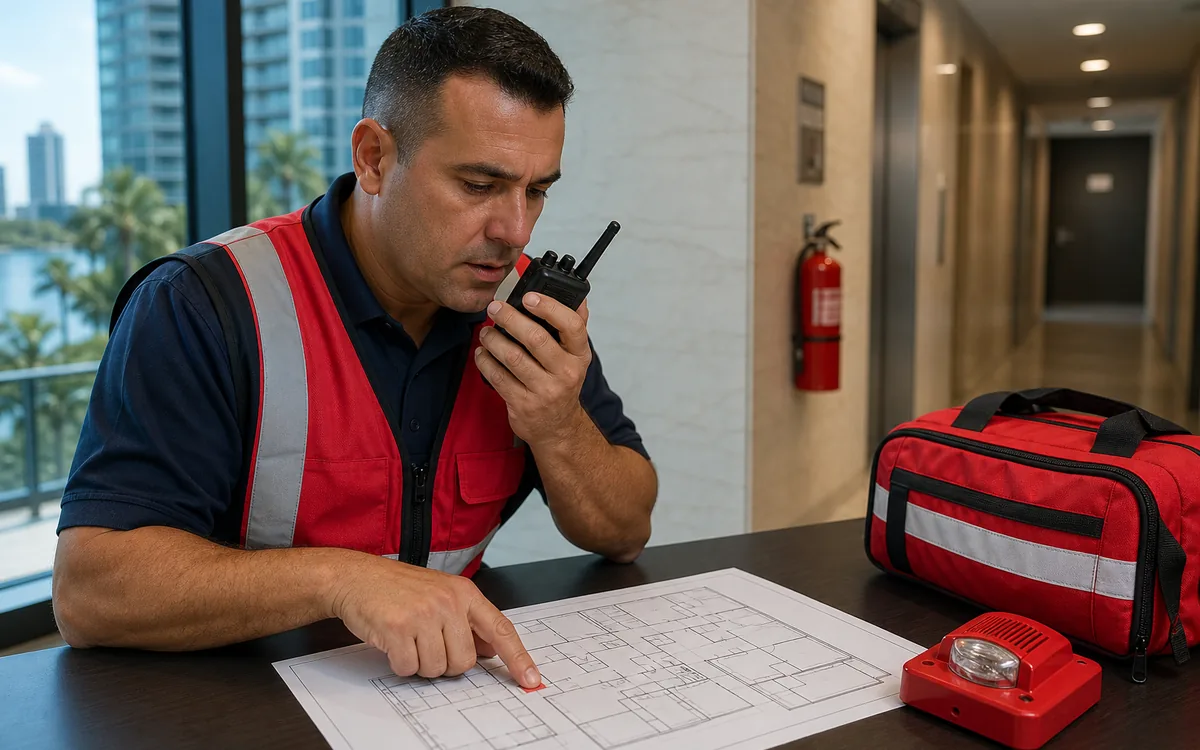
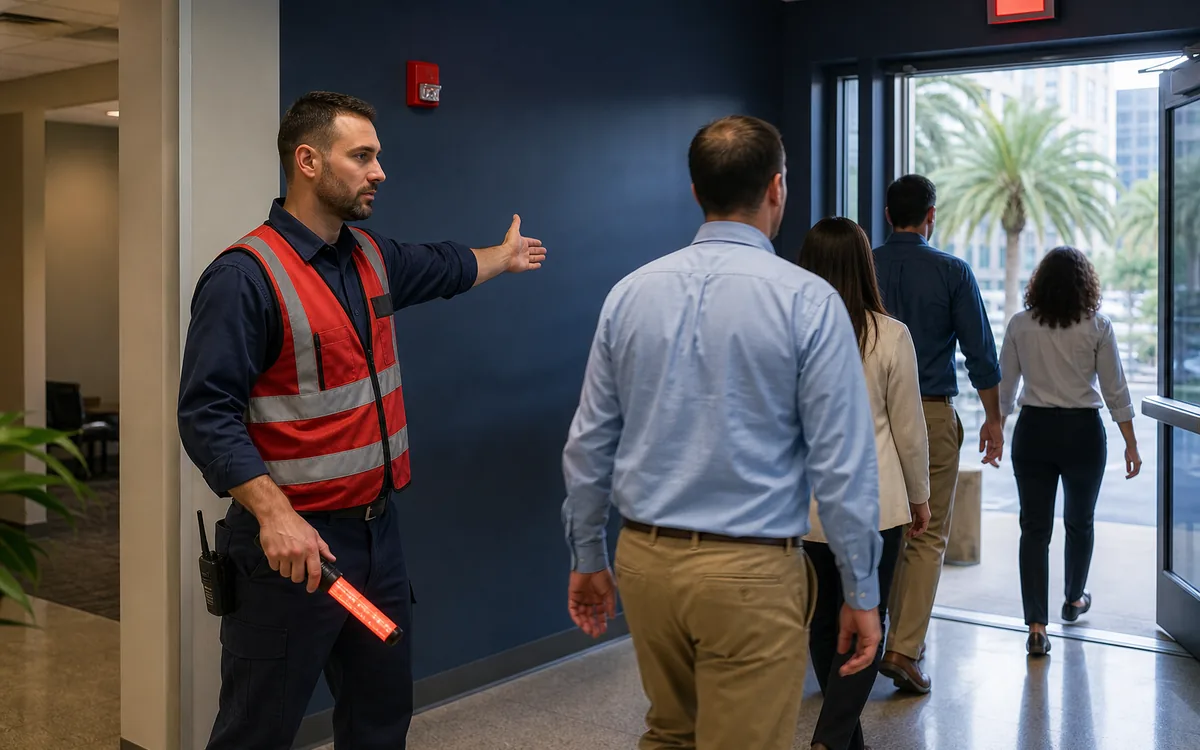
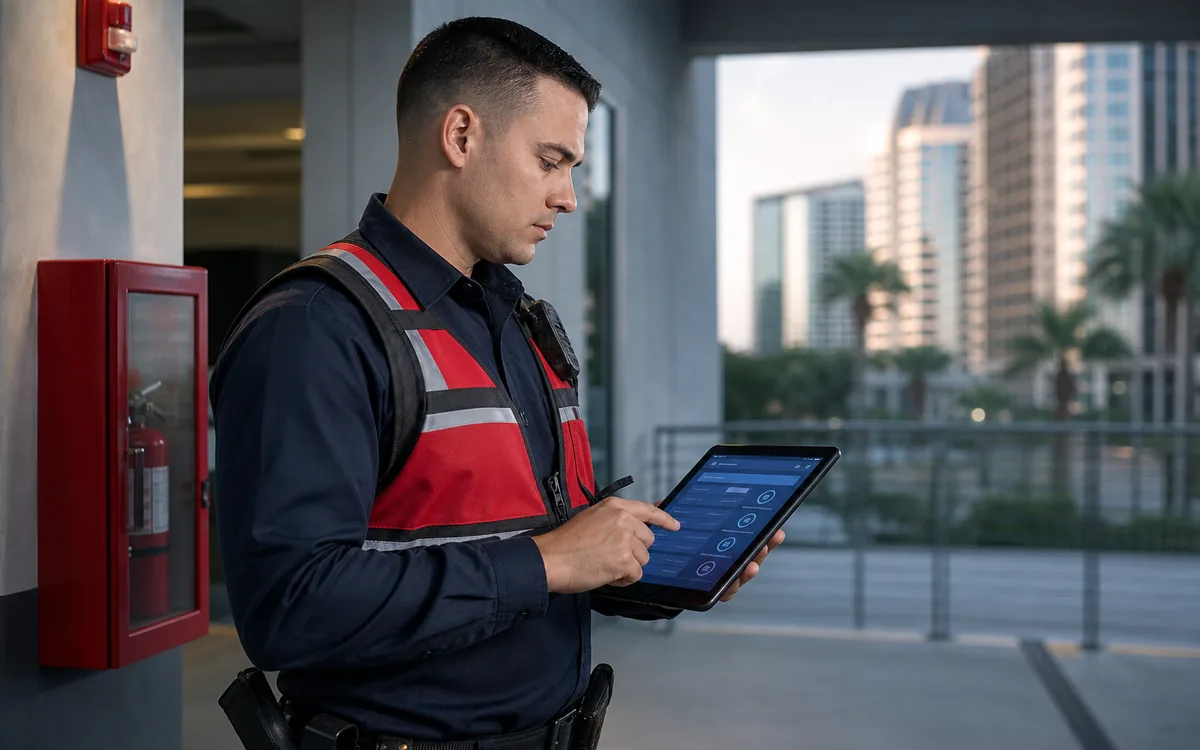
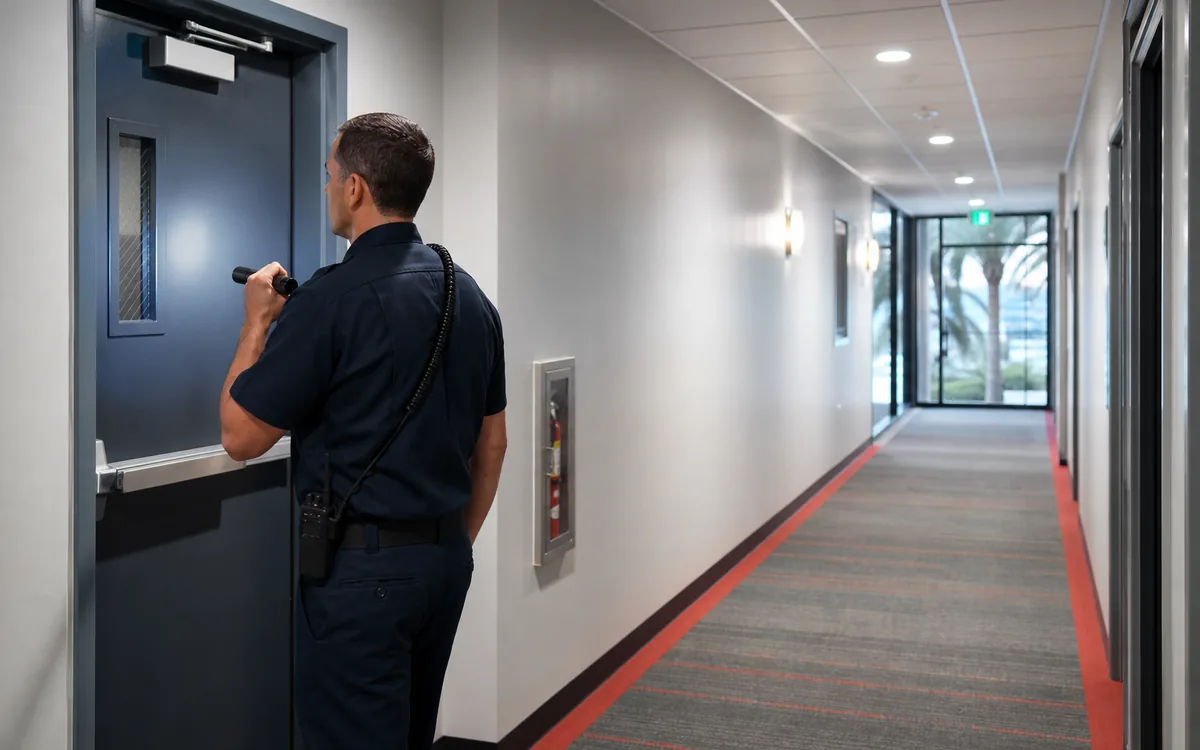
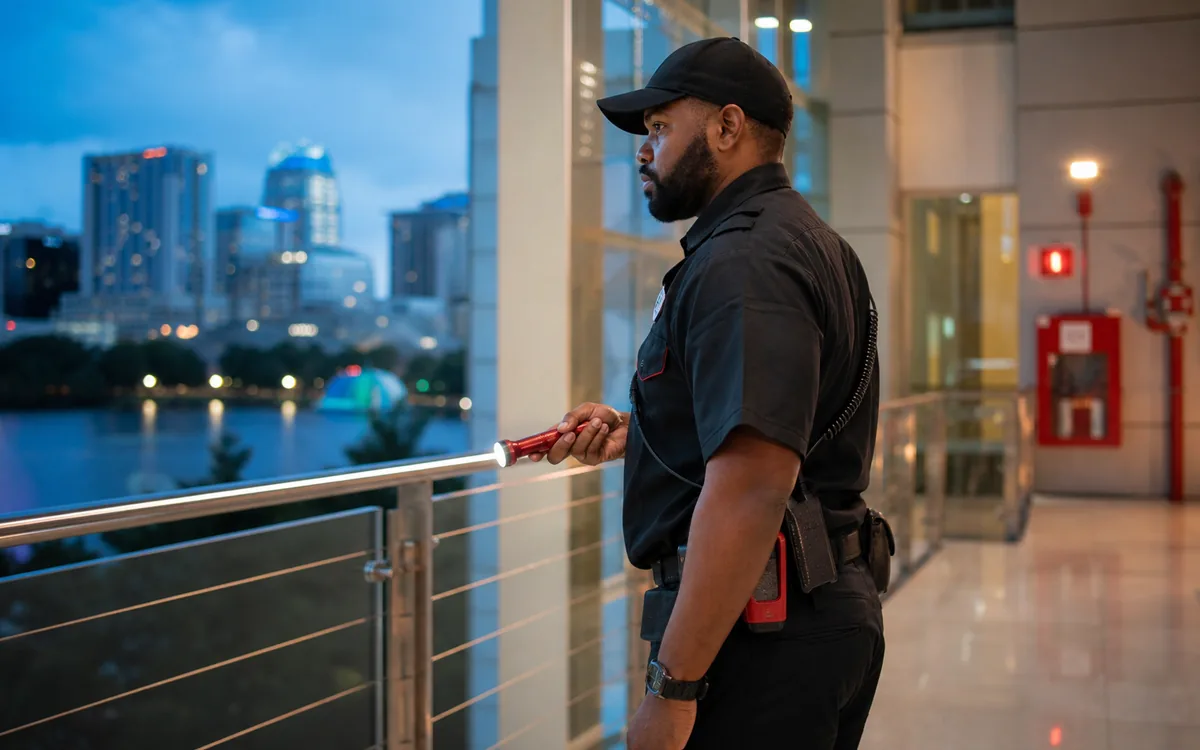
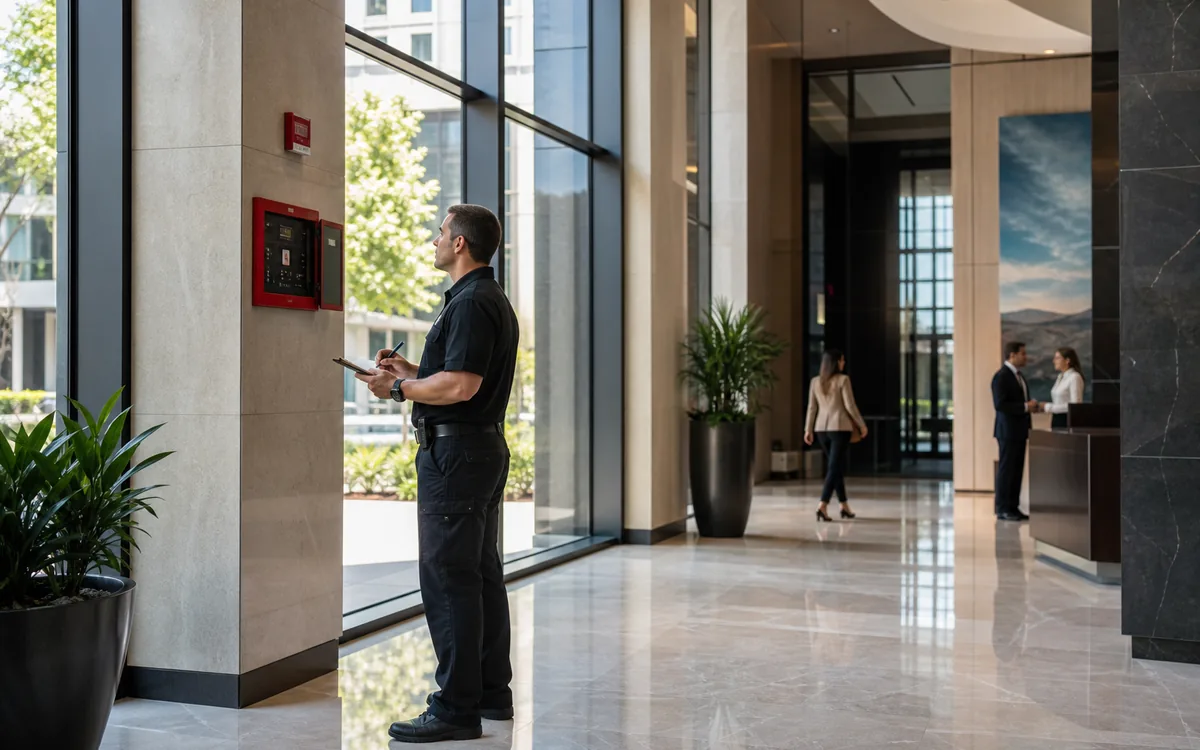
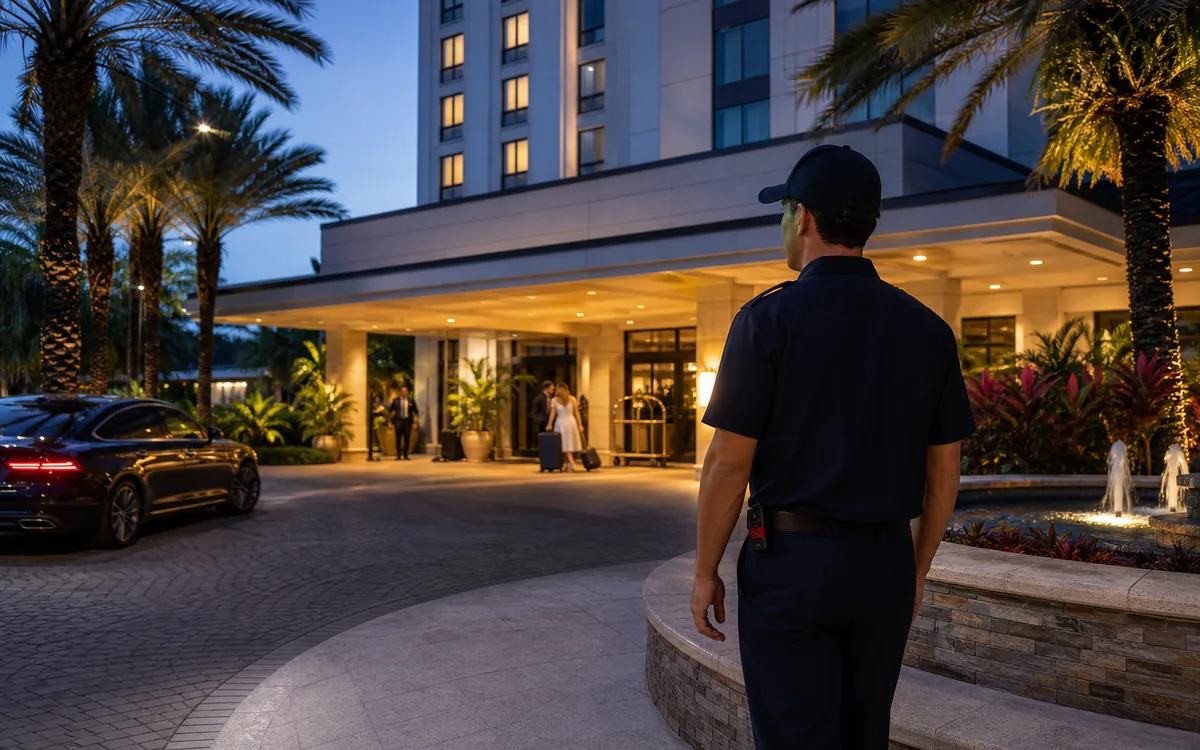
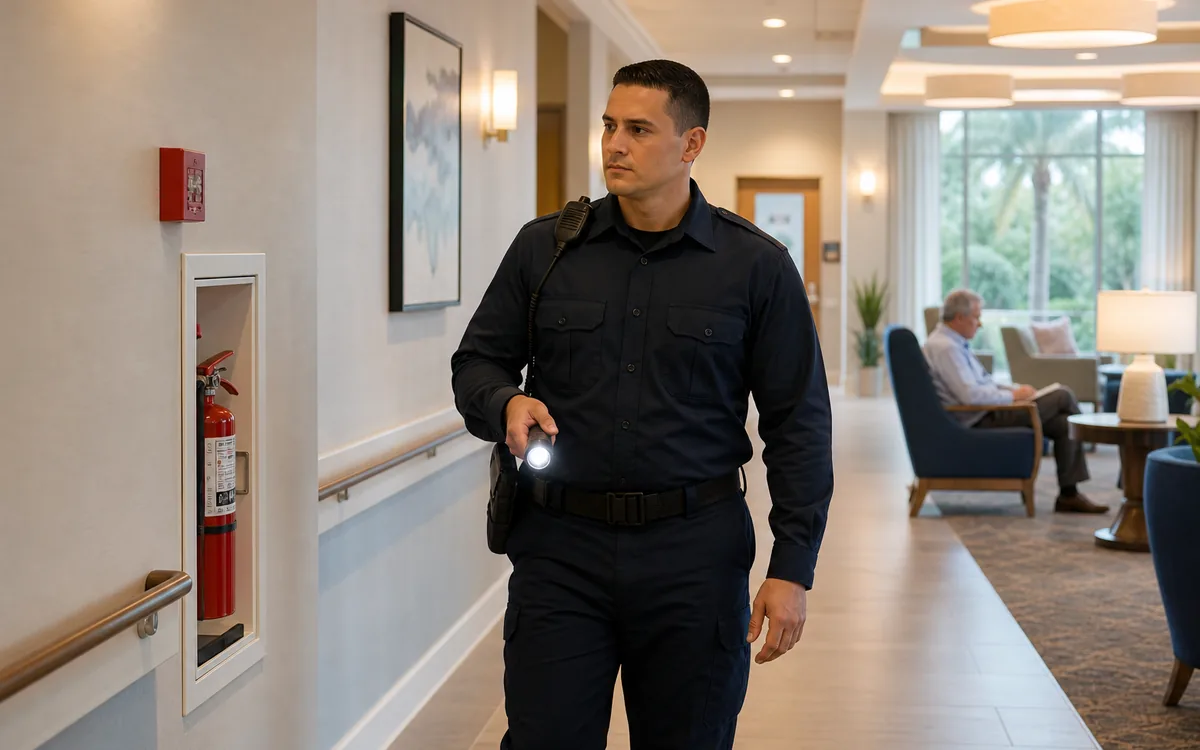
A fire watch is a temporary life-safety measure: trained personnel assigned to continuously patrol a building or area for the express purpose of detecting fire, alerting occupants, and notifying the fire department. It is required when a building’s built-in fire protection can no longer be relied upon.
Florida enforces the Florida Fire Prevention Code, which incorporates NFPA standards including NFPA 101 (Life Safety Code), NFPA 25 (inspection, testing and maintenance of water-based fire protection systems), and NFPA 72 (fire alarm and signaling code). These standards establish when impairment procedures and fire watch requirements come into play.
Importantly, your local Authority Having Jurisdiction — typically the Orlando Fire Department or the fire marshal for your municipality within Orange County — makes the binding determination about whether a fire watch is required, how it must be conducted, and when it can end. AHJs weigh factors including occupancy type, how many people are in the building, the duration of the impairment, whether work is actively being performed on the system, and what other fire protection features remain functional.
01
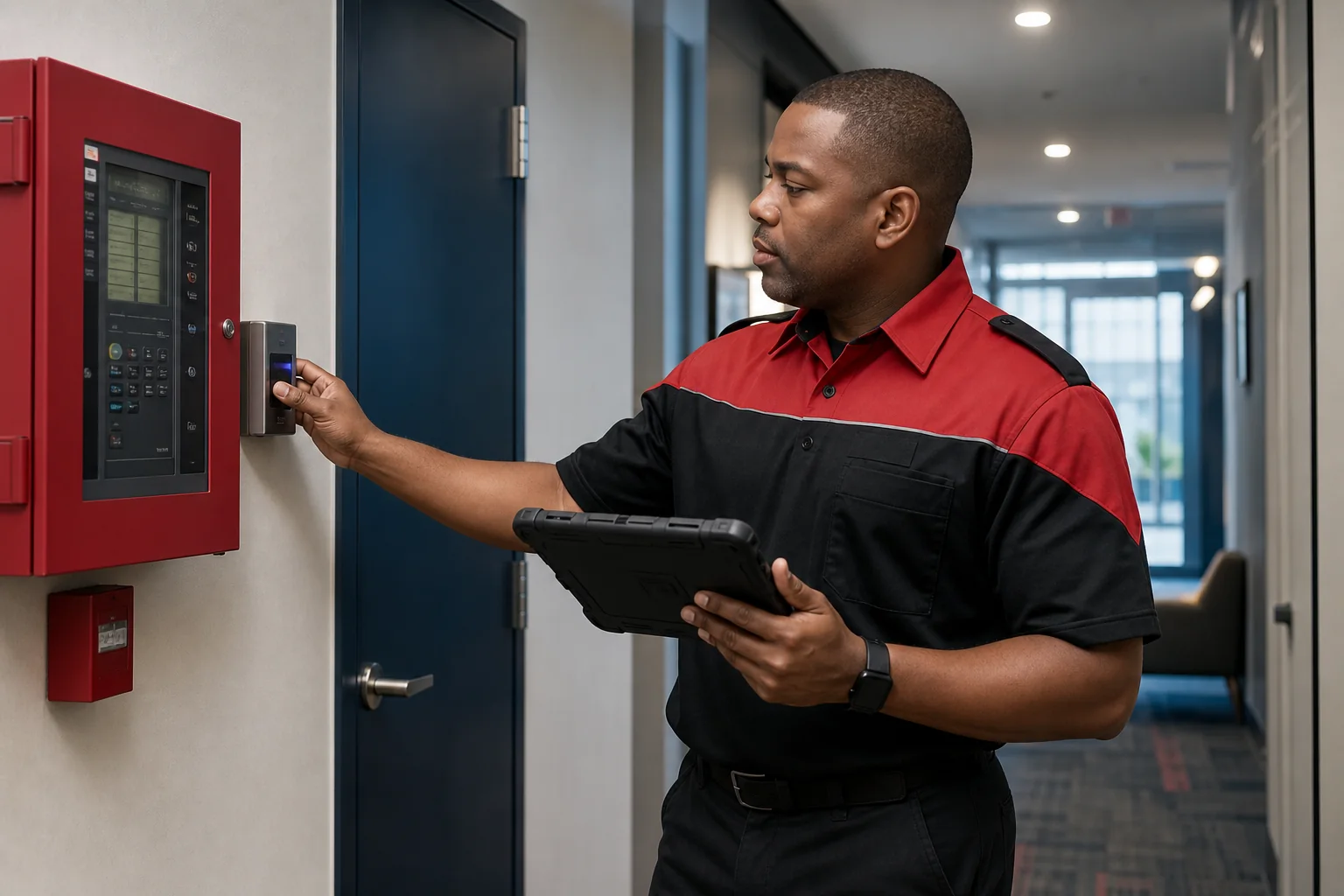
Fire Alarm System Impairment
When a fire alarm or signaling system is out of service, whether from equipment failure, planned maintenance, or accidental damage. NFPA guidance establishes notification thresholds for alarm impairments within a 24-hour period, after which the AHJ determines whether evacuation or fire watch is required. Because published thresholds vary by standard edition and context, and because AHJ discretion applies, notify your fire marshal as soon as an impairment occurs rather than waiting for a clock to run out.
02
Sprinkler or Water-Based System Impairment
When an automatic sprinkler system or other water-based fire protection system is out of service. Under NFPA 25, impairments exceeding 10 hours in a 24-hour period generally require the impairment coordinator to arrange either evacuation of the affected area or an approved fire watch. Common causes in Orlando include ruptured or damaged piping, water supply interruption, valve failure, and contractor damage during renovation.
03
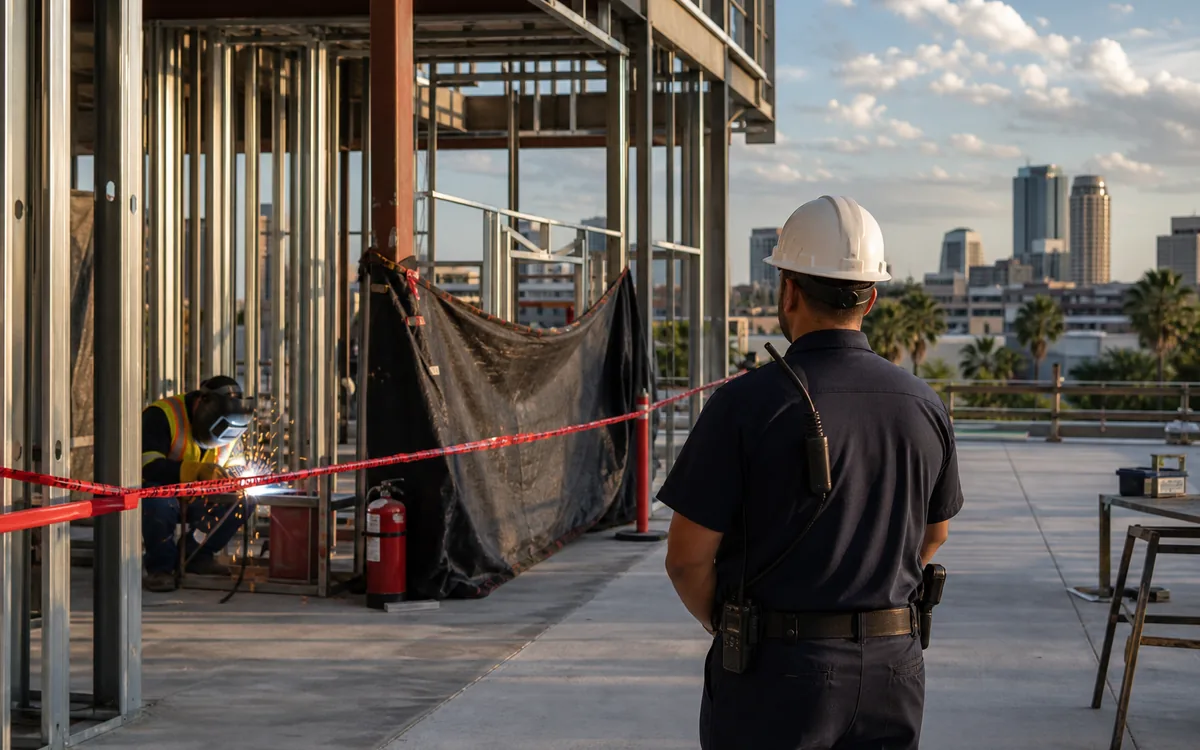
Hot Work Operations
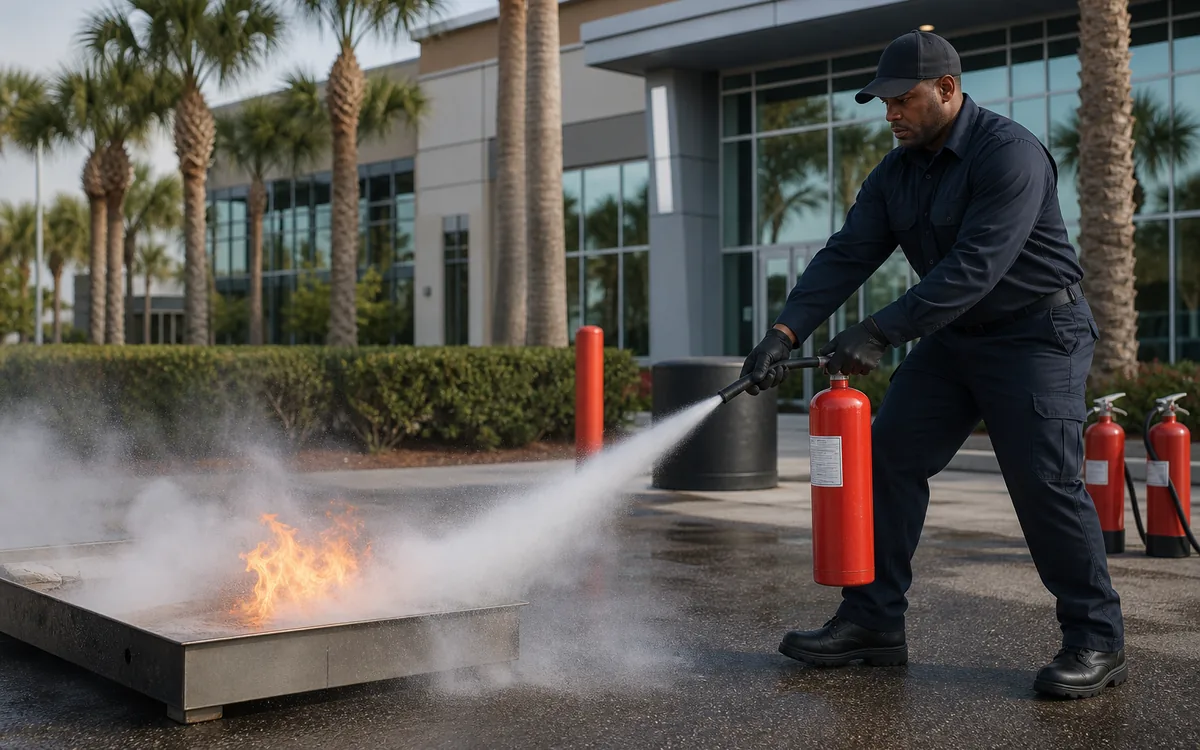
Welding, cutting, grinding, brazing, soldering, and similar operations that produce heat or sparks typically require a dedicated fire watch during the work and for a designated period afterward. This applies across construction sites, industrial facilities, and maintenance work in occupied buildings throughout Orange County.
04
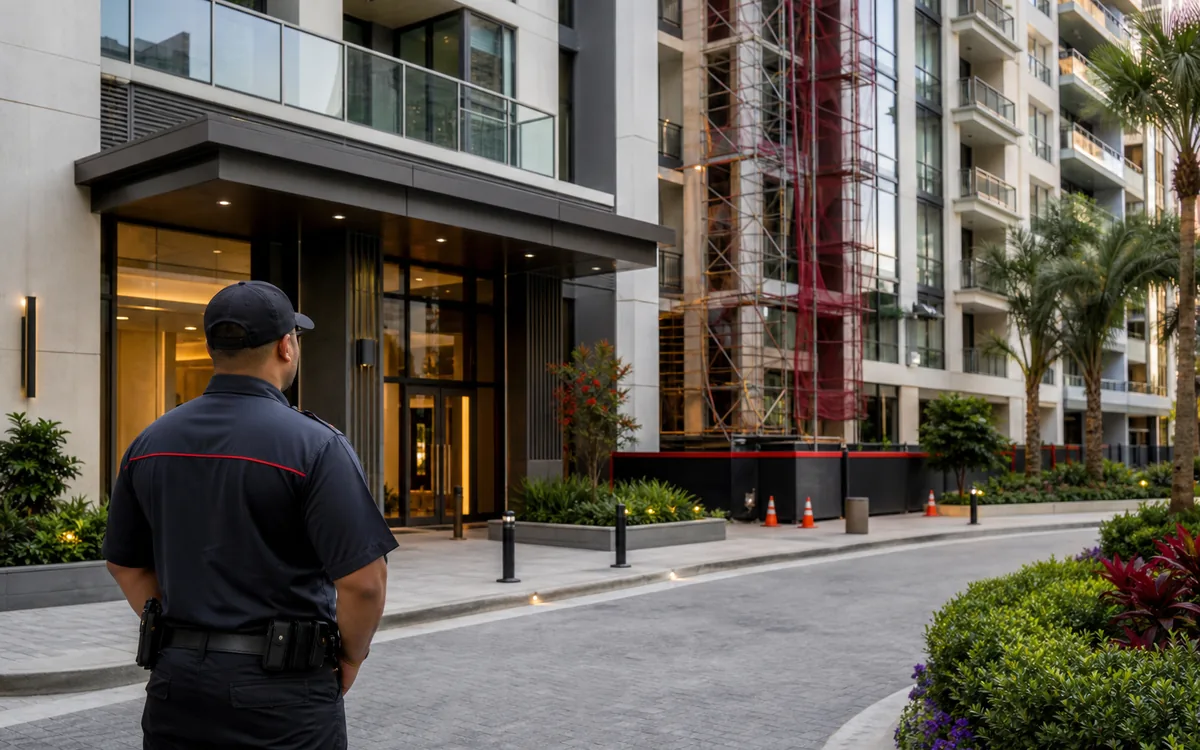
New Construction Before Systems Are Operational
During construction, a building often has combustible materials and active work long before its fire protection systems are installed, tested, and commissioned. Orlando’s sustained construction activity makes this one of the most frequent fire watch scenarios in the market.
05
Fire Marshal Order or Code Violation
A fire marshal may order a fire watch directly following an inspection that identifies deficiencies — blocked egress, non-functioning systems, occupancy issues, or other violations. When this happens, compliance is not optional and the clock is already running.
06
Post-Storm or Disaster Damage
Hurricanes and severe weather can damage fire protection systems, interrupt water supply, or cause power failures affecting alarm systems. Following a major storm event in Central Florida, fire watch is often required until systems are restored and verified.
07
Building Renovation & Retrofit Projects
Florida’s high-rise condominium fire safety retrofit requirements are generating an ongoing wave of sprinkler installation and system modification projects statewide. Each of these creates impairment conditions where fire watch may be required, and AHJs are scrutinizing impairment management documentation closely.
08
Occupancy Overcrowding or Egress Obstruction
In some cases an AHJ may require a fire watch for events or conditions involving occupancy loads, temporary structures, or obstructed means of egress — particularly relevant for Orlando’s event and hospitality venues.